

Category: Security

shape
shape
shape
shape
shape
shape
shape
shape
Standard

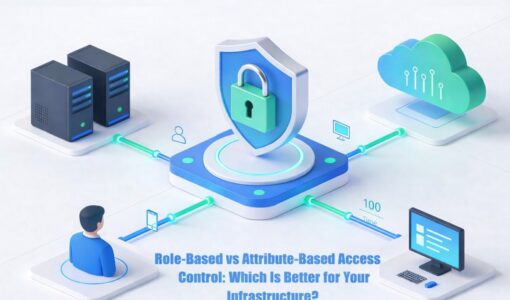
Role-Based vs Attribute-Based Access Control: Which Is Better for Your Infrastructure?

Managing server access in a growing IT environment is one of the most overlooked and most challenging aspects of infrastructure security. In the early stages, access control is often informal: a small team, a few SSH keys, maybe a shared admin account. But as organizations scale, production systems become business-critical, compliance requirements increase, and security

Standard

Access Control: Types and Benefits

Access control is one of the most fundamental pillars of cybersecurity and operational governance in any organization. It defines who can access specific systems, applications, data, or physical resources, ensuring that only authorized individuals can perform permitted actions. Proper access control is essential for protecting sensitive information, maintaining business continuity, and meeting regulatory obligations.  

Standard

Authentication Vs Authorization

In today’s digital era, cybersecurity has become a major concern for individuals and organizations alike. One key aspect of securing systems is controlling access to digital devices and data. This is where the concepts of authentication and authorization come into play. In this article, we will explain what authentication and authorization are, the key differences

Standard

OpenSSH 10.0: Security Features & Updates

OpenSSH 10.0: A Comprehensive Look at it’s Security-Driven Overhaul OpenSSH 10.0 released on April 9, 2025, marks a turning point for one of the most critical tools in modern IT infrastructure. As the de facto standard for secure remote administration, file transfer, and tunneling, OpenSSH has continuously evolved to address new threats and cryptographic trends.

Standard

Securing SSH Access with Faillock

Faillock is a security module within the PAM (Pluggable Authentication Modules) framework used in Linux systems. The pam_faillock.so module tracks failed login attempts from individual users over a defined time interval. The module automatically locks the user’s account when the number of failed attempts exceeds the configured threshold. This mechanism helps to protect Linux systems

Standard

ISO 27001 Compliance

ISO 27001 compliance is a globally recognized framework for managing and protecting sensitive information through a structured Information Security Management System (ISMS). ISO 27001 helps businesses identify vulnerabilities, implement effective security controls, and maintain regulatory compliance. Whether you’re pursuing ISO 27001 certification or strengthening your information security strategy, aligning with this standard boosts trust, credibility,

Standard

Ezeelogin with Cloudflare ZTNA

As cyber threats become increasingly sophisticated, it is paramount to ensure that your outbound SSH connections are both secure and reliable. This month, we’re diving into how you can fortify your SSH access using a powerful combination of Ezeelogin SSH Jump Server and Cloudflare Zero Trust Network Access (ZTNA). By integrating Cloudflare Tunnel with Ezeelogin

Standard

How to fix OpenSSH vulnerability CVE-2024-6387?

CVE-2024-6387, known as regreSSHion, has been discovered in the OpenSSH server. This vulnerability allows remote unauthenticated attackers to execute arbitrary code on the target server, posing a significant threat to systems that use OpenSSH for secure communications. This article describe how to fix / patch openSSH vulnerability CVE-2024-6387.